International students experiencing difficulties completing the University of Pisa application can email us at
si@manjushrilotsawa.com
We will help you with the application process
Useful files for enrollment, download here:
The program integrates four dimensions rarely combined in a single training path:
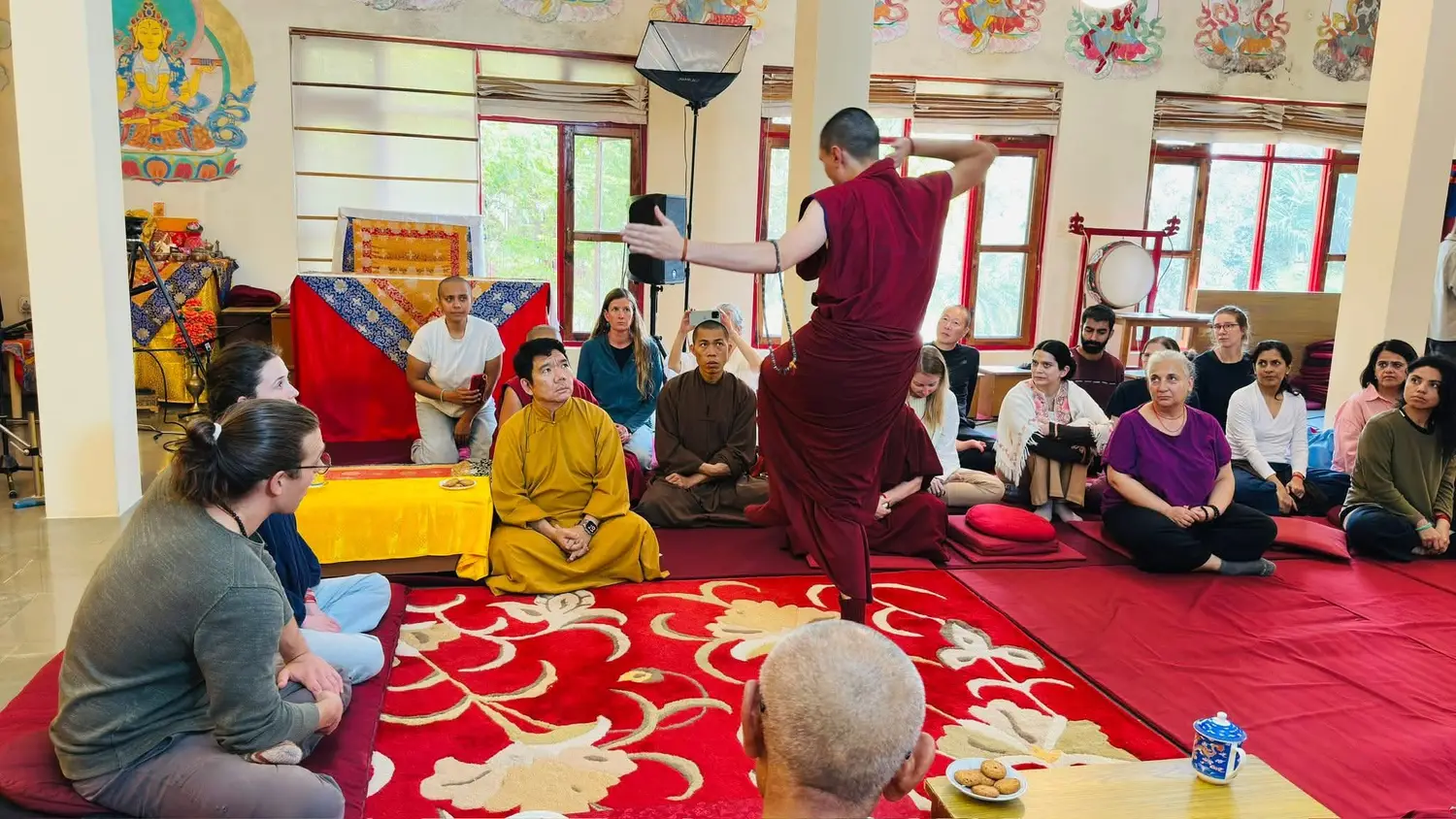
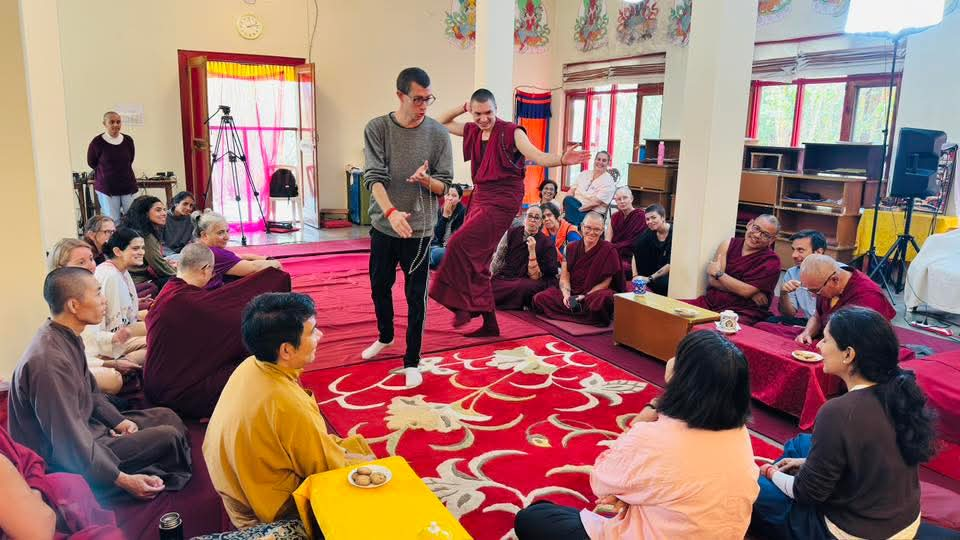
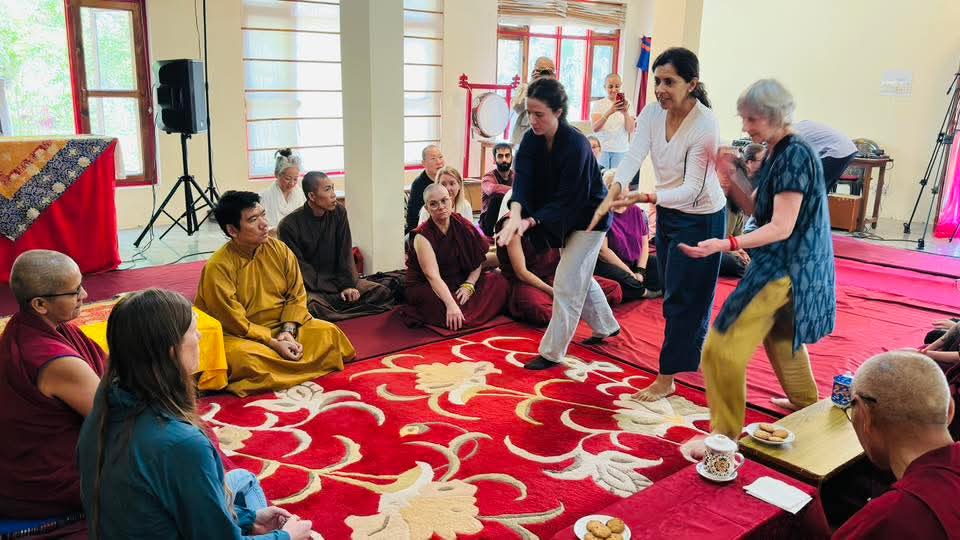
The six-week course, totaling 170 hours, is divided into three progressive modules. Each day includes lectures in the morning and early afternoon and discussion sessions in the late afternoon and evening.
Each week features a module on Practical Integration in the Education of Thought: a seminar in which the contents of the classical tradition are put in dialogue with contemporary cognitive sciences and applications in educational and psychological fields.
"I encourage the Buddhists I meet to be 21st-century Buddhists, to discover what the teachings truly mean and to put them into effect. This entails listening and reading, thinking on what you have heard and read, and making yourself deeply familiar with it."
in psychology, neuroscience, cognitive sciences, philosophy, philosophy of mind, religious studies, or related fields, interested in epistemological research tools that universities rarely offer and in a rigorous comparison between traditions of thought.
in cognitive sciences, experimental psychology, contemplative neuroscience, or philosophy of perception, who wish to access a system of cognition and perception analysis developed over more than a millennium and now at the center of an increasing dialogue with western science.
interested in a deeper understanding of cognitive and emotional mechanisms, and in comparing the taxonomy of mental factors in the Buddhist tradition with contemporary models of emotional psychology and cognition.
who want to deepen the theoretical foundation of the practices they teach, understanding the epistemological roots of contemplation and gaining the ability to distinguish between valid perception and projection.
who aspire to shape not only skills but autonomous minds, capable of critical thinking, rigorous argumentation, and non-polarized dialogue.
who wish to integrate physical practice with cognitive clarity and an understanding of the mental processes described in the classical Indian tradition.
who wish to root their contemplative experience in valid knowledge and critical thinking, as the Buddha himself recommended.
The subjects have been carefully selected from the traditional curriculum to enable participants to thoroughly grasp (1) the essence of the Buddhist path, (2) its various aspects, and (3) the correct sequence of progression along the path. Without such comprehension, individulas aspiring to practice the Buddha-dharma may (1) mistakenly prioritize practices that do not lead to liberation, (2) correctly identify the path but, lacking a holistic understanding, focus solely on certain aspects, or (3) possess a comprehensive understanding but, without knowing the proper sequence, emphasize practices that are intended for later stages.
The Advanced Training Course is provided through the Department of Surgical, Medical, Molecular Pathology and Critical Area of the University of Pisa, under the scientific direction of Prof. Ciro Conversano. It is open to all graduates (bachelor's and master's). The final evaluation includes a project work and an oral exam with a debate. Mandatory attendance: 90%.
For those who desire rigorous training without the need for academic recognition. Full participation in all program activities, with an attendance certificate issued by the Serkong Institute and the Manjushri Lotsawa Association.
(only for those without university degree)
Maximum number of students: 80. Registration fee with university credits (12 CFU): € 1,200. Deadline for submitting the application: May 31, 2026. In case of more applications than available spots, selection will be based on curriculum evaluation.
Registration fee for auditor mode: €600
Awakening today is not isolation from the world. It is conscious participation. It is bringing clarity to public debate, educating with responsibility, and building bridges between the wisdom of tradition and the challenges of the future.
The Serkong Institute presents the millennial-old tradition as it is, because it is already completely relevant. Not a modern method based on tradition, but the tradition itself, in its original analytical power, finally made accessible.
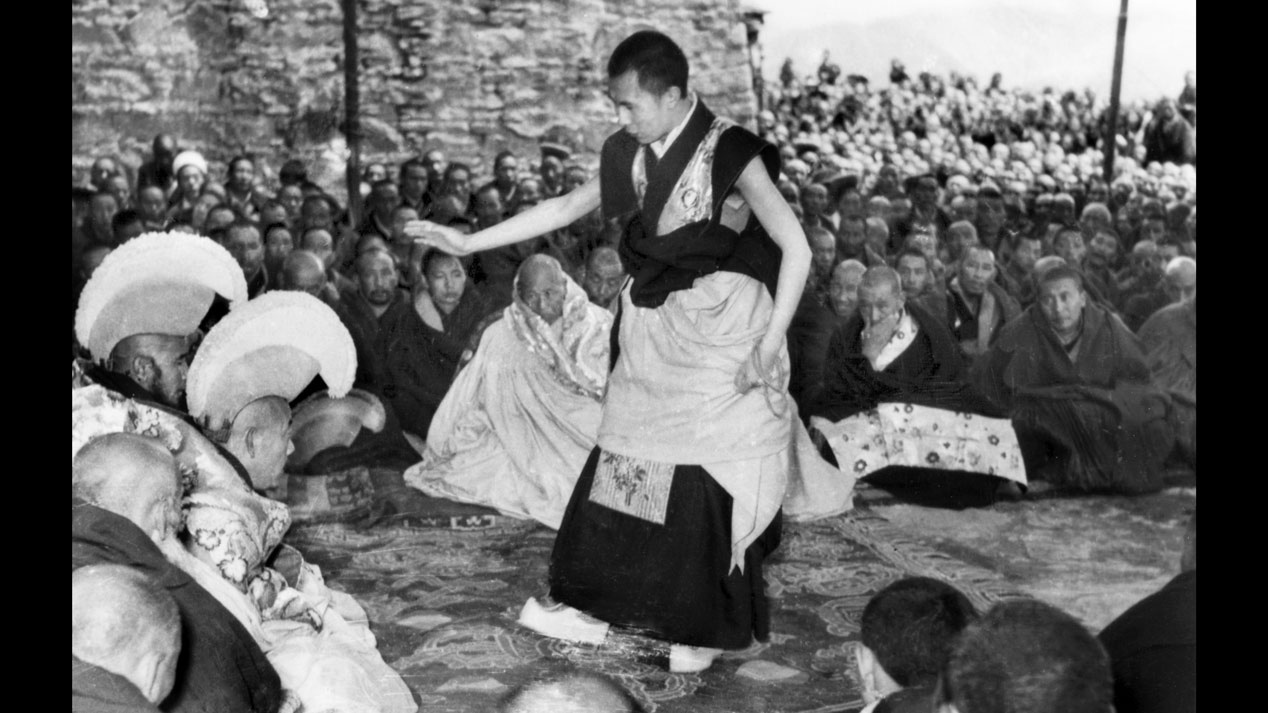
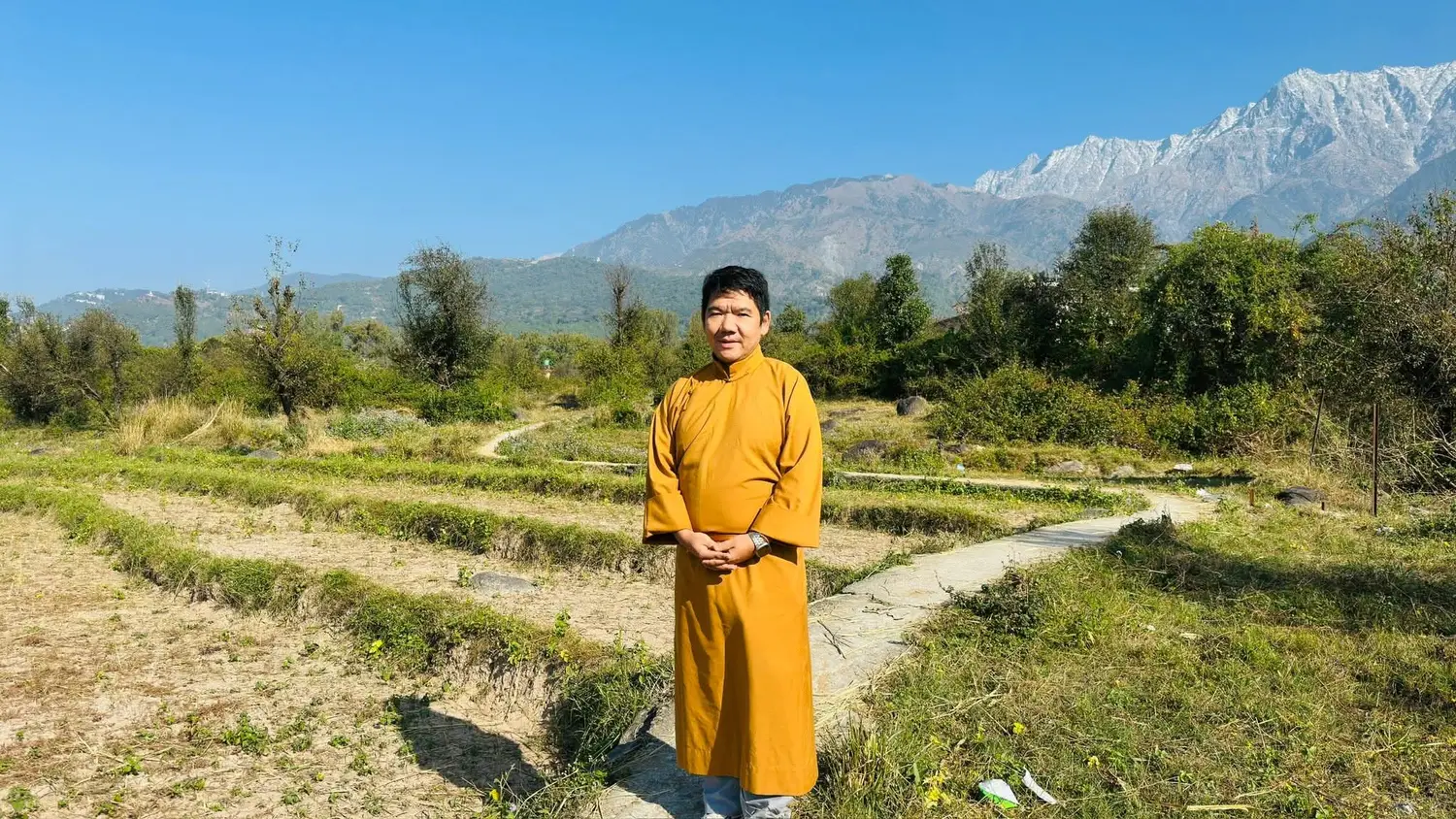
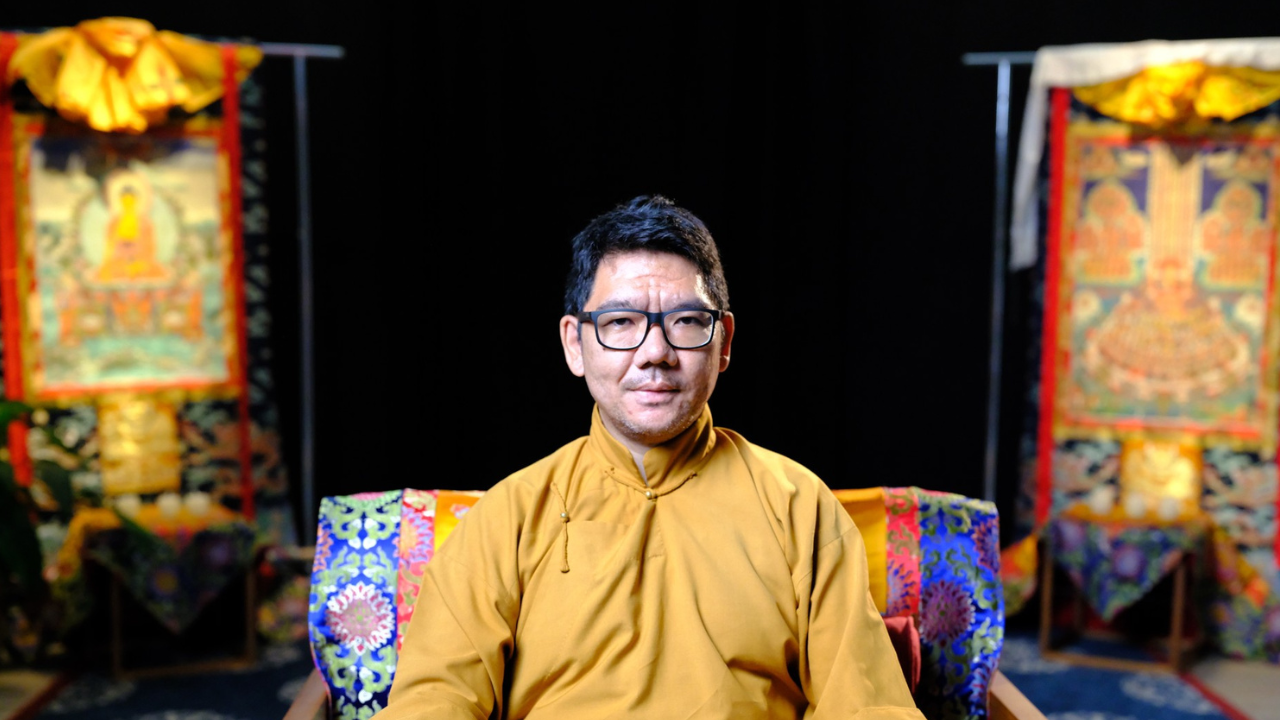
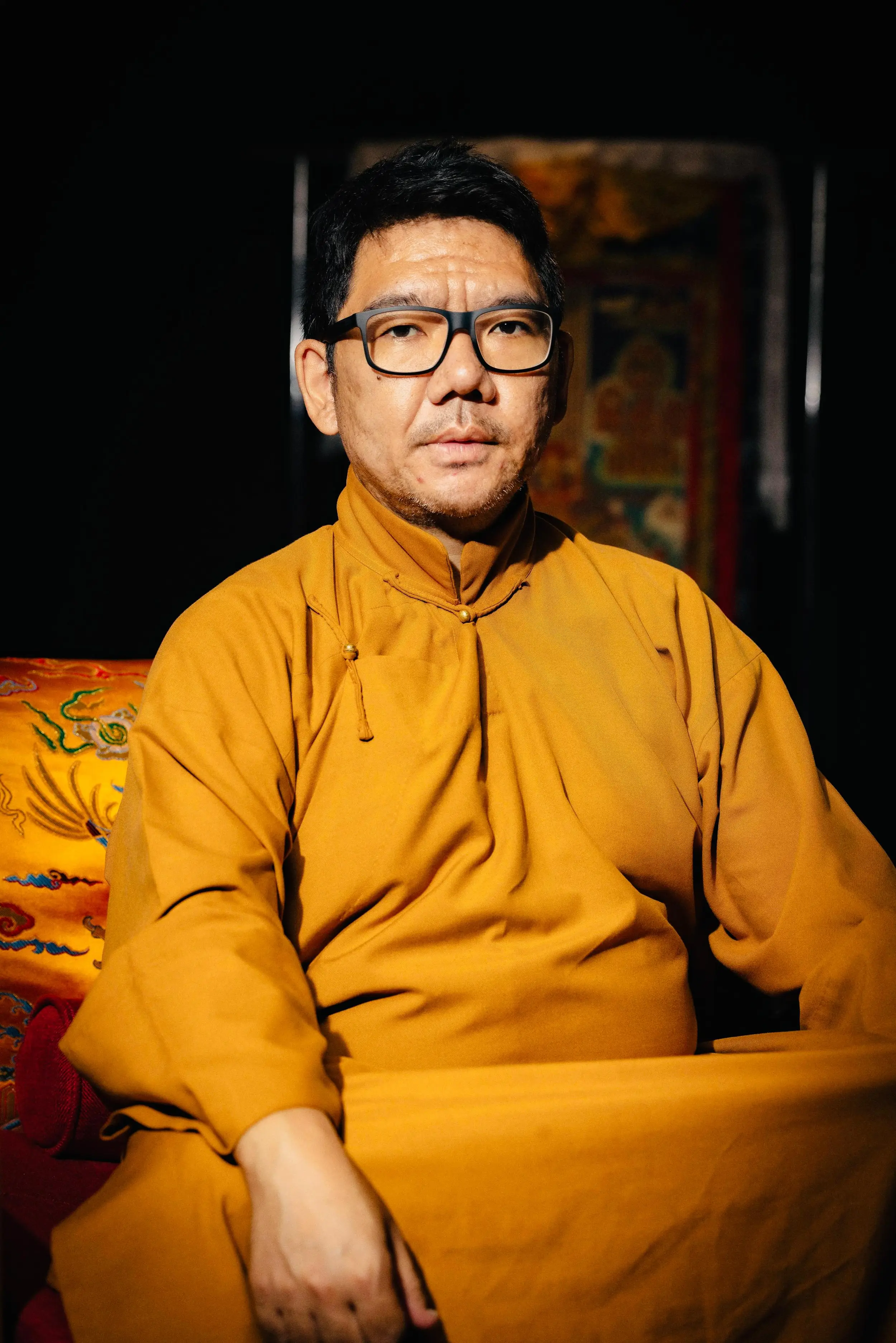
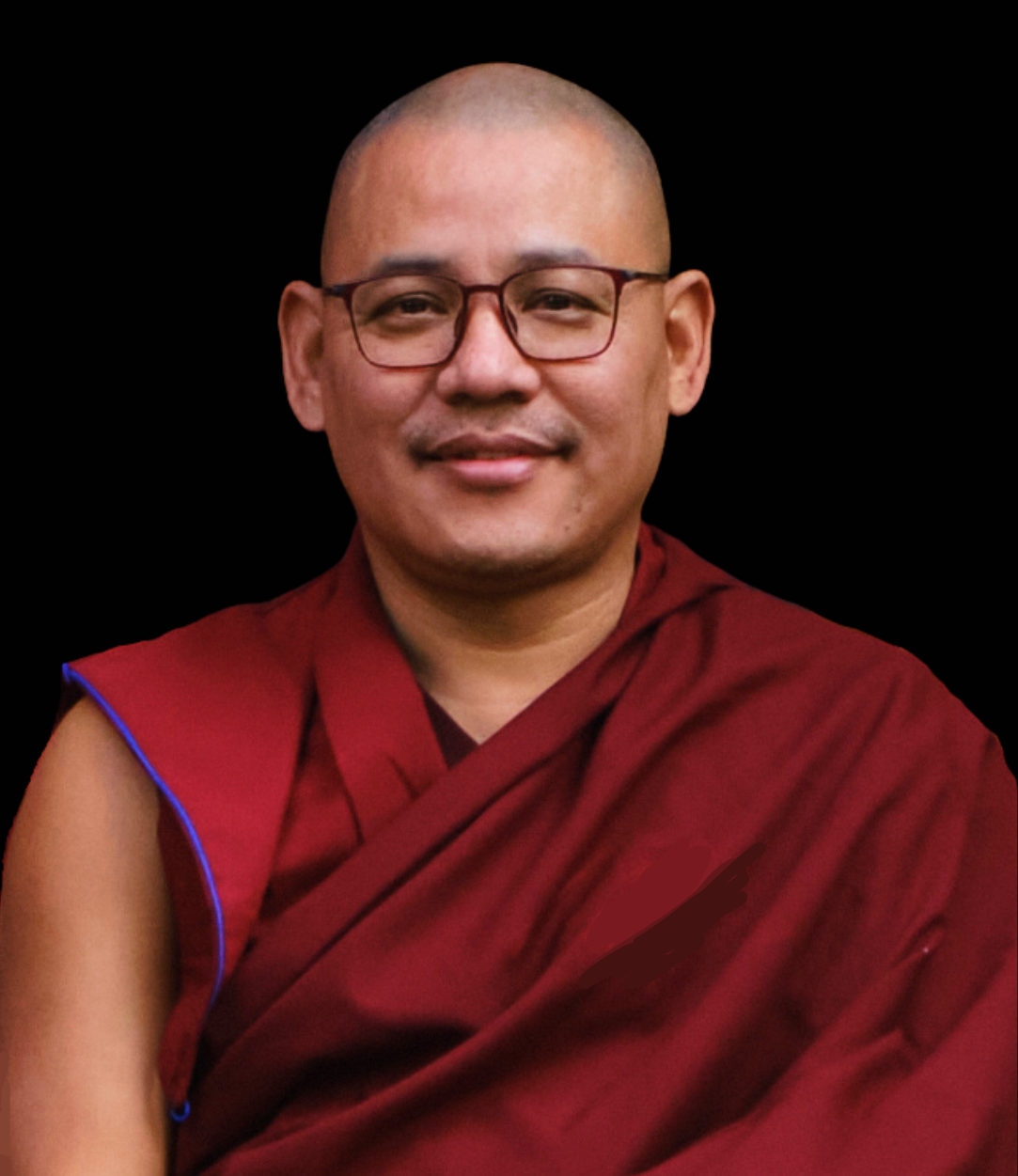
At the age of two, Serkong Tsenshap Rinpoche (1984 – present) pointed to a photo of the recently deceased Assistant Tutor of the 14th Dalai Lama and said, “That’s me!” When he was about three years old he was recognized by His Holiness the Dalai Lama as the incarnation of Kyabje Tsenshap Serkong Tugse Rinpoche (1914-1983), who was one of the seven master debate partners to His Holiness the Dalai Lama.
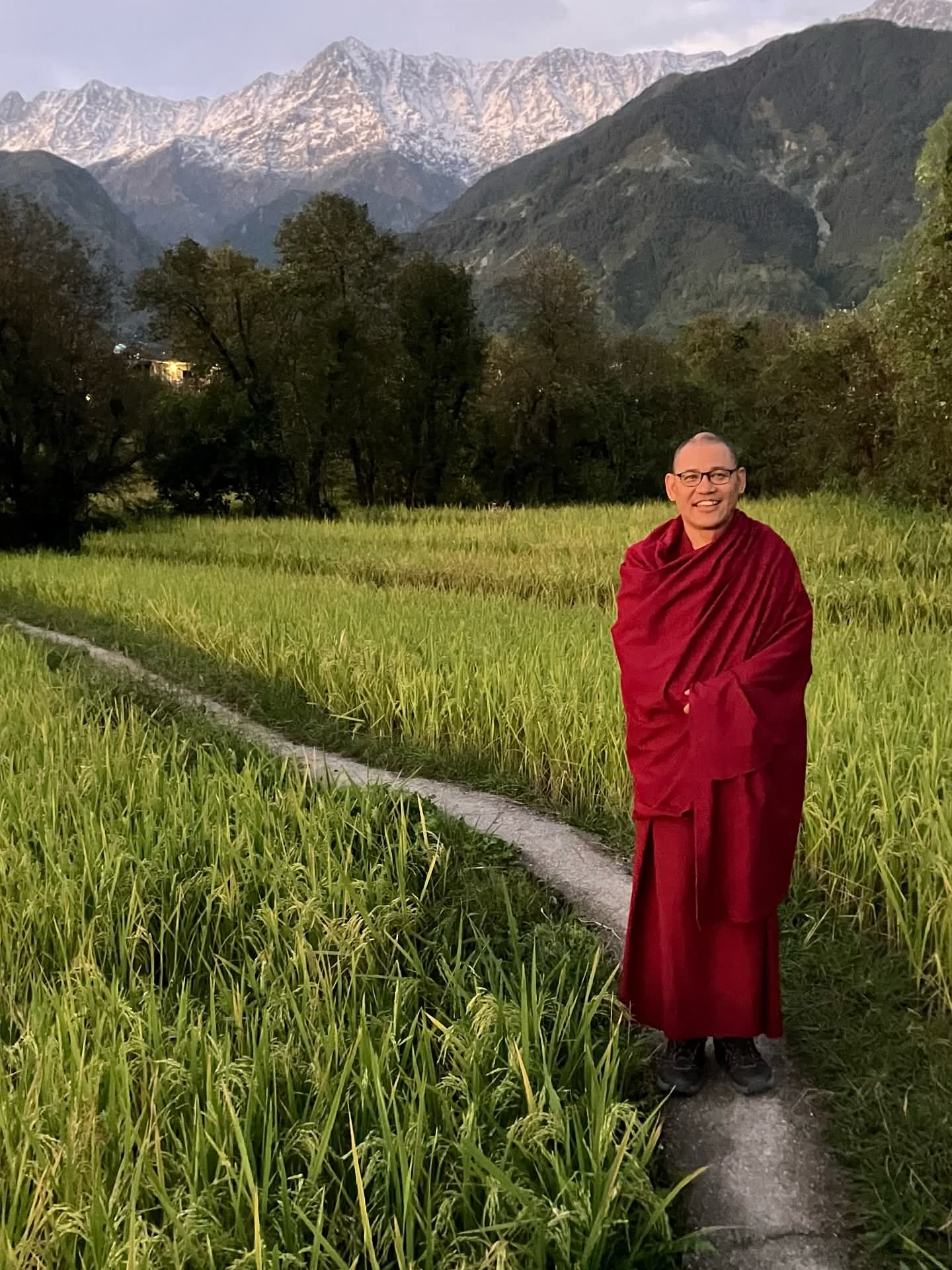
Rinpoche began his Buddhist studies and training at Ganden Jangtse Monastery in South India. After deciding to continue his work for the Dharma as a lay person, he completed his education at the Institute of Buddhist Dialectics in Dharamsala. On the advice of the Dalai Lama, Rinpoche completed three years of intensive study of English in Canada.
Currently, Rinpoche teaches at Dharma Centers worldwide, combining his profound Buddhist knowledge and practice with an understanding of the modern world. His captivating teachings are characterized by wisdom, humility and humor. Rinpoche considers it an honor to carry on the teachings and responsibilities of Tsenshap Serkong Tugse Rinpoche, striving to benefit others to the fullest extent possible.
A brief biography of my great spiritual friend: the Rimé Geshe Tenzin Gurmyi
By Serkong Tsenshab Tulku
I first met my great spiritual friend, the Rimé Geshe Tenzin Gurmyi, when I was studying at the Institute of Buddhist Dialectics. At that time, Genla was studying in the Tantra class, while I was studying in the Madhyamaka class. Not only that, Genla and I had neighbouring rooms.
One morning, as I was leaving my room, it happened that Genla was also coming out of his room holding an offering vessel (phul phor) filled with golden beverage (gser skyems); at that moment, an equal sense of wonder and rejoicing arose in my mind that such a young student had such practices. From then on, I instinctively had to pay attention to Genla’s conduct as, additionally, I also felt that other students were showing him great respect. I noticed that Genla was gentle and subdued, and that he tended to keep to himself, deep in thought; still, I thought that if I got the chance to spend time with Genla, it would definitely be very transformative for me.
In summer, there was a tradition where the Madhyamaka and Perfection of Wisdom classes at the Institute of Buddhist Dialectics would study and discuss the Lord of Reasoning’s [i.e. Dharmakīrti’s] text the Pramāṇavārttika. Since the higher and lower classes could intermingle and meet for classes on the Pramāṇa texts, my class requested Genla to explain the assertions and clarify doubts related to the debate topics. He accepted, explaining to us how previous scholars clarified such doubts as well as explaining Genla’s own unique way of posing further questions; we felt like a pot being filled up to the brim and our minds were completely captivated.
That was my first Dharma connection with Genla and since then I have continued and still continue to taste the nectar of Genla’s profound explanations of many texts on both the Mahāyāna and Hīnayāna, Sūtra and Tantra, for which I continue to feel immensely fortunate.
As a starting point for the biography, I asked Genla questions regarding his parents’ names, who his teachers were, and so forth, and I requested permission to add some of my own honest first-hand observations, which I received permission to do.
Genla was born in 1976, in the Tibetan settlement of Phuntsokling in Odisha, a place blessed by many Paṇḍitas and Siddhas such as Ācārya Dignāga and so forth. His father was called Shedrub and his mother is called Yangchen Drolkar; he was the fourth of seven children.
From a young age, he received a thorough foundation in reading and writing the Tibetan alphabet from his father and his mother’s uncle, the renowned Aku Tsewang Chogdrub. Upon reaching school age, he began studying at the Tibetan refugee school at the settlement, where he successfully completed his modern primary education up to tenth grade. After that, towards the end of studying in the eleventh grade at the Tibetan School in Shimla, a dream awakened his past positive imprints and an irresistible wish to become a monk arose in him. In 1994, he enrolled in the Institute of Buddhist Dialectics in Dharamsala, entering the monastic life.
Genla’s initial hair cutting was given by the late Kyabjé Denma Locho Rinpoche and he received the complete Gelong ordination (the precepts of which are the foundation of the precious teachings of the Buddha) from His Holiness the Omniscient Dalai Lama, who is the embodiment of Ārya Avalokiteśvara in monastic robes, as his preceptor (mkhan po) and Kyabjé Jhado Rinpoche Tenzin Jungné Pelsangpo as his assistant preceptor (las slob), in the presence of a complete monastic community.
Although Genla had great interest in studying and contemplating the great treatises ever since he was young, his aspiration to practice meditation was even greater. As such, after about a year of attending the Institute of Buddhist Dialectics, the thought arose in his mind that maybe he had made a mistake in enrolling. It was then that he learned that the accomplished Drikung-Kagyu Lama Drubwang Konchok Norbu Rinpoche was residing in a retreat house near Tushita Meditation Centre, which is located on a mountain near His Holiness’s Residence. Genla went to meet Rinpoche and requested to be accepted as a disciple. However, Rinpoche asked, “Have you studied the texts?” To which Genla replied, “No.” Rinpoche then said, “‘Meditation without study is like climbing a cliff without hands.’ You should return to the Institute of Buddhist Dialectics and continue studying the texts. After you have studied the texts, I can help you.” With these words, Genla went back.
From then on, Genla’s efforts in his studies further intensified, like a blazing fire. Properly relying upon many spiritual teachers, such as Geshe Jetsun Losang Gyatso, Geshe Damchö Gyaltsen, Geshe Jangchub Tsultrim, Gen Gyatso, Geshe Könchok Wangdü, Geshe Dorjé Damdul, Geshe Losang Tenpa, and Geshe Thubten Sönam, Genla persistently and sincerely applied himself to the study and contemplation of the five great treatises and the textual systems of secret mantra at the Institute of Buddhist Dialectics, thereby bringing his studies to completion.
Moreover, Genla engaged in his non-sectarian study and contemplation of the various philosophical views with the Early-Translation Nyingma Khenpo Tulku Chöku, the Sakya Khenpo Könchok Gyaltsen, and the Kagyu Khenpo Tsultrim Namdak.
Also without sectarianism, Genla received empowerments, transmissions, and practice instructions for the various tantric systems of the secret mantra vehicle, as well as instructions on mind training (blo sbyong), from His Holiness the Dalai Lama, Kyabjé Taglung Tsetrul Rinpoche, Kyabjé Garjé Khamtrul Rinpoche, Kyabjé Denma Lochö Rinpoche, Kyabjé Ganden Trisur Rizong Rinpoche, Sakya Gongma Trichen Rinpoche, Drikung-Kagyu Kyabjé Garchen Rinpoche, Kyabjé Lama Relchok Rinpoche, the Nangchen Lama Kyabjé Karma Nyendrak Rinpoche, Kyabjé Minling Trichen Rinpoche, Kyabjé Trulshik Rinpoche, and so forth; thereby ripening his continuum.
Later, with the guidance of Geshe Thubten Pelsang on the Madhyamaka view, Genla engaged in the study and contemplation of the difficult points of Prāsaṅgika, eliminating misconceptions on the matter. Genla mainly focused on the Madhyamaka view as understood by the Great Je [Tsongkhapa] in terms of the suchness of dependent-arising. He investigated points such as whether or not the observed-objects of the afflictions conventionally exist, whether or not conceptual consciousnesses that are not grasping to true existence exist in the continua of persons who have not realised suchness, and discrepancies in the literal reading of Je [Tsongkhapa’s] excellent explanations regarding the Svātantrika view and so forth. Just like the Bhagavān said:
O monks and scholars, Like gold is tested by burning, cutting, and rubbing, My words should be accepted only after proper investigation and Not out of mere respect.
Thus, it can be understood that when Genla engaged with the meaning of the scriptures, he remained impartial and unbiased.
In summary, spurring the horse of his unbiased intelligence with the whip of persistent and sincere application, Genla engaged in the study and contemplation of:
• In the beginning, the Collected Topics, Awareness and Knowers, and Signs and Reasonings;
• In the middle, the Perfection Vehicle scriptural basket comprising the great and small vehicle systems, such as the five great treatises, in relation to all Tibetan traditions in a non-sectarian manner; and
• Finally, the Vajrayana tantras of secret mantra that explain the meaning of the four classes of tantra, which are the essence of all the Conqueror’s teachings.
As a result, not only was Genla showered with flowers of praise for his excellence by both students and teachers, he became a teacher (Ācārya) on whom many students fixed their gaze in the hopes of clarifying doubts and tutoring.
In 2009, Genla graduated from the Institute of Buddhist Dialectics top of his class, receiving the Rimé (Non-Sectarian) Geshe degree. At the request of the Institute’s Head Office, Genla took on the responsibilities of teaching at the Institute from 2010 to 2017.
When teaching the Perfection of Wisdom, Pramāṇa, and Madhyamaka, not only did Genla ensure that students understood the meaning of the texts, he also emphasised what the final points of each subject matter came down to, how to put these teachings into practice in terms of one’s own mind, as well as how it was explained in the texts of the Indian Paṇḍitas; it was clear to all the students that his teachings were profound.
The Omniscient Protector His Holiness the Dalai Lama has repeatedly and profoundly taught that the Conqueror’s Kangyur and Tengyur should not merely be kept as objects of veneration, but rather should be thought of as books for study. In accordance with this advice, Genla has continuously studied the texts of the Indian Paṇḍitas and, in particular, has taken great interest in the treatises composed by the Ācāryas of the Svātantrika school, such as Ācārya Bhāvaviveka and so forth..
Not only was Genla always exceptionally respectful towards his teachers in terms of outward conduct, he was also remarkable in putting their teachings into practice. To mention just one example, a Geshe from whom Genla listened to teachings about the Madhyamaka view from also became a Geshe that I would request teachings from and I remember Genla repeatedly saying “In his teachings, this is how Geshe-la explained the way of understanding the Madhyamaka view and of putting the meaning of the text into practice.” Although we had the same teacher, the difference [between us] in whether or not the meaning of the texts appeared as practice instructions was like East and West; this definitely due to his proper way of relying upon the spiritual friend.
Another time, while Genla and I were travelling by car together, I was recounting to him the biography of a great being who is recognised by all to be the Second Buddha. Genla immediately told the driver to stop the car on the side of the road and proceeded to listen with immeasurable faith and devotion. This is a clear example of how Genla showed faith and devotions towards past holy beings.
Genla always spoke to people respectfully, regardless of who they were, and I deeply felt that Genla’s nature was to never talk about their faults but rather to focus on their positive qualities.
In 2017, due to Genla’s poor health, he retired from his position of teaching at the Institute of Buddhist Dialectics. However, once his health improved, Genla continued guiding many students (both local and foreign) in terms of this and future lives, teaching the great beings’ Dharma of the great and small vehicles, as well as engaging in approximation retreats, and so forth.
This is just a small glimpse into Genla’s life.
I pray that, from now on, Genla’s life be stable and long; that he continues to bestow upon us, his students, and his compassionate guidance like the summer rains.
Written on the Conqueror’s auspicious day (Wednesday), 1st of May 2024, In His Holiness’s Residence, by Serkong Tsenshab Tulku.
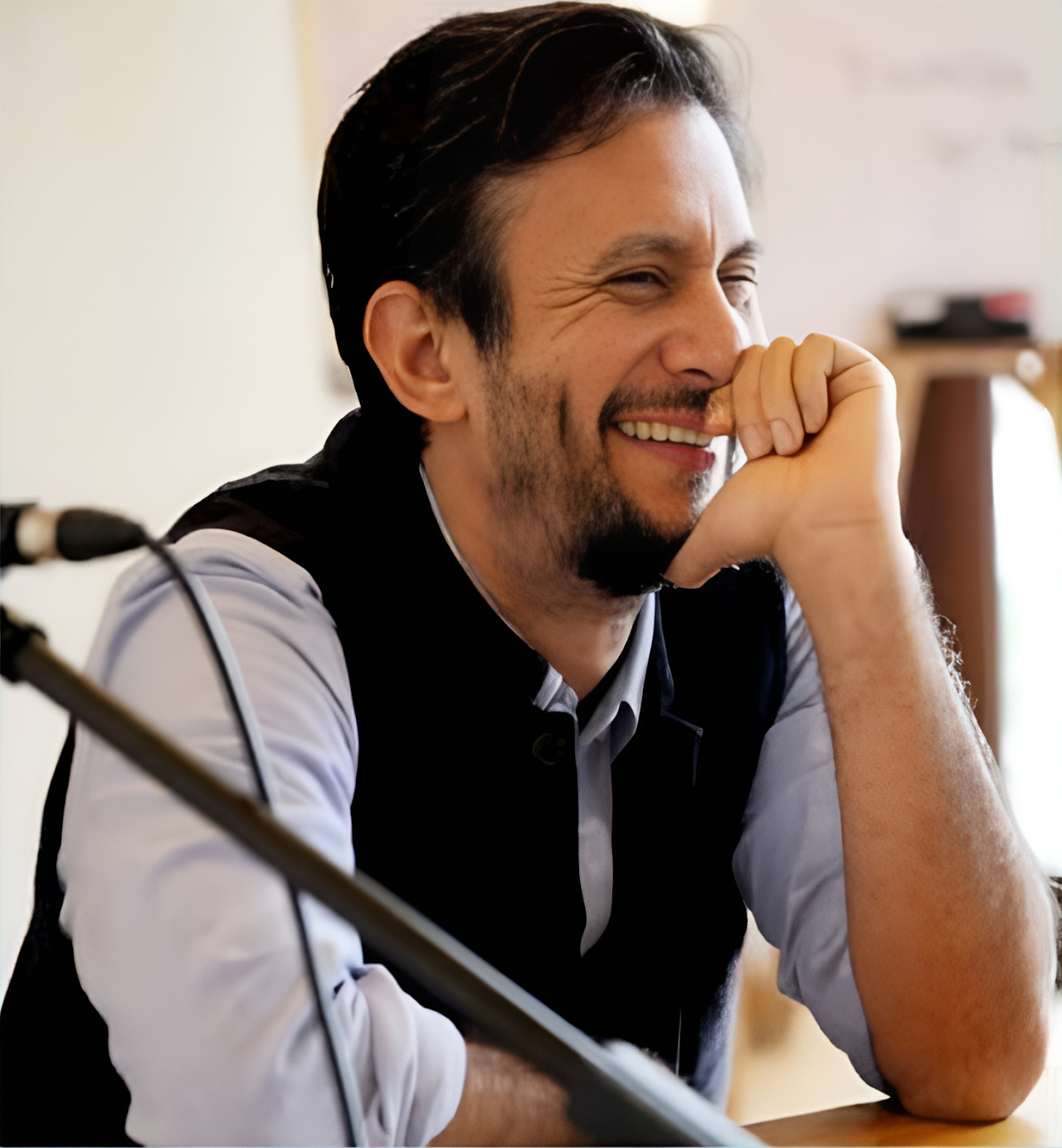
Atisha was born and brought up in New Delhi, India. He pursued his undergraduate studies in Language and Literature of South Asia, with a focus on Tibetan studies, at the esteemed Orientale in Naples, Italy. His scholarly pursuits led him to the Central University of Tibetan Studies in Sarnath, India, where he was first immersed in the traditional approach to Buddhist studies.
Atisha then completed a rigourous 10-year study program at the Institute of Buddhist Dialectics in Dharamsalawhich emphasizes logic, debate, and the major Indian and Tibetan treatises. In 2024, he earned his doctoral degree in Buddhist Studies at L'Orientale in Naples, Italy.
Since 2019, Atisha has generously shared his expertise in logic and debate with groups of students from all over the world.
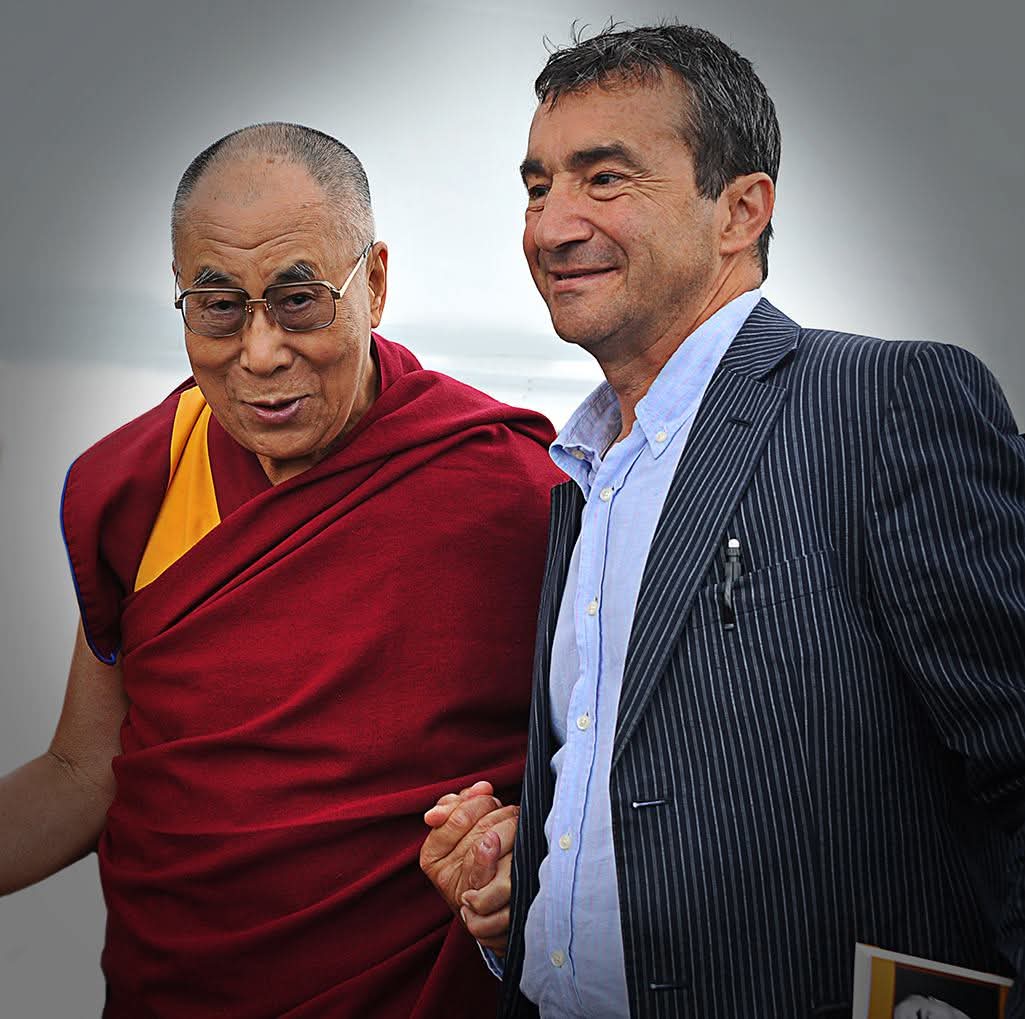
Fabrizio Pallotti (Champa Pelgye) has been studying and practicing Buddhism since 1979. Ordained as a novice monk by Geshe Champa Gyatso in 1981 and fully ordained by His Holiness the Dalai Lama in 1982, under the guidance of Lama Yeshe he served as spiritual coordinator during the first advanced Buddhist studies program directed by Geshe Champa Gyatzo at the Lama Tzong Khapa Institute, as well as an English translator. From 1987 to 1993 he lived in India, where he learned Tibetan under the guidance of many great first-generation Tibetan masters, such as Lama Zopa Rinpoche, Kirti Tsenshab Rinpoche, Ribur Rinpoche, Denma Locho Rinpoche and His Holiness the Dalai Lama, Chobye Trichen Rinpoche and many other great masters of the 4 schools, receiving many teachings and commentaries on Sutra and Tantra while engaged in many meditation retreats of yogic practices belonging to the four Tibetan traditions.
After completing 14 years of monastic life, he dedicated himself to the translation of oral teachings accompanying many Lamas to various centers in Southeast Asia, Europe, and America. From 1998, for eight years, he lived steadily with Kyabje Ribur Rinpoche, one of the great Lamas of Tibet, until his death. Serving as translator and secretary to Ribur Rinpoche, primarily in the United States, he had the opportunity to personally receive many lineages of teachings, oral transmissions, and instructions that Rinpoche had received from the great Lamas of the past. Later, at the request of Lama Zopa Rinpoche, he left the United States to return to the Lama Tzong Khapa Institute as a Tibetan-to-English translator for the Master Program, a role he held until the end of 2016.
Since many years he is the official translator of his holiness the Dalai Lama.
Fabrizio Pallotti is the author of the program “Education of Thought and Emotional Hygiene,” which is a path of study, reflection, and meditation on the Madhyamaka Vision in the great classics of Indian Masters, such as Nagarjuna and Chandrakirti, and in the Gelug Tradition. This program is inspired by the innovative and far-sighted explanations of His Holiness the Dalai Lama, who always emphasizes the need to study and practice the Dharma not through blind faith but through valid knowledge combined with individual spiritual experience. He is responsible for the translation and publication program of Buddhist science, philosophy, and practice texts and the teachings of His Holiness the Dalai Lama and continues to orally translate the teachings of the great Tibetan masters in various Buddhist centers in Italy. He also teaches in many Buddhist centers and academic Masters. He is the founder and president of the Manjushri Lotsawa Association www.manjushrilotsawa.com and the Accademia Sarva Yoga Citta (Yoga of the Mind) www.yogadellamente.com He lives in Livorno with his wife Valeria and his son Atisha.
Leave your details in the form anda course consultant will contact you to guide you through the registration process and answer any other questions you may have or contact us via email: